Choosing an adventure destination based solely on spectacular photos often leads to disappointments. We have ranked these ten destinations by combining three rarely combined criteria: the actual risk level (consular alerts, altitude, wildlife), the current sustainable tourism constraints, and the density of technical activities accessible without heavy logistics. This ranking favors territories where security and environmental oversight enhance the experience rather than limit it.
1. Iceland, Interior Highlands
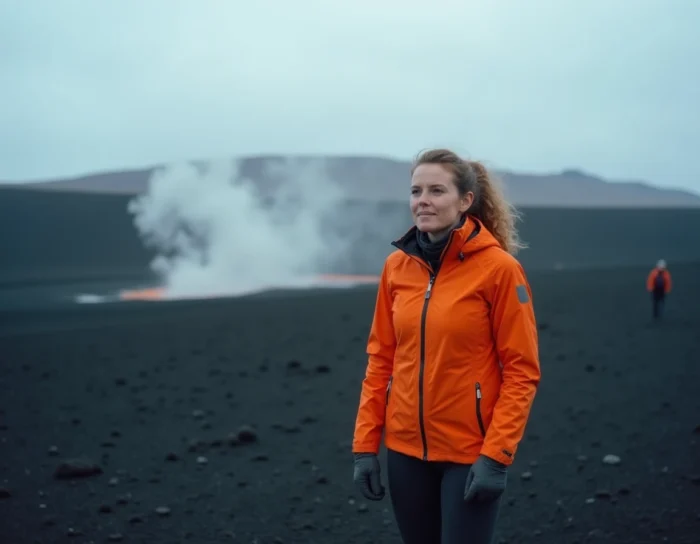
The Icelandic highlands remain closed for a large part of the year by decree, which naturally regulates attendance. Access to F-roads requires a certified 4×4 vehicle, and several areas require prior registration with civil protection authorities.
This strict framework ensures some of the safest trekking and glacier hiking conditions in Europe. Travelers posting on voyageblog.fr confirm that the Landmannalaugar region combines rhyolite, hot springs, and an almost complete absence of mobile network, a structured isolation that defines technical adventure.
2. Chilean Patagonia, Torres del Paine
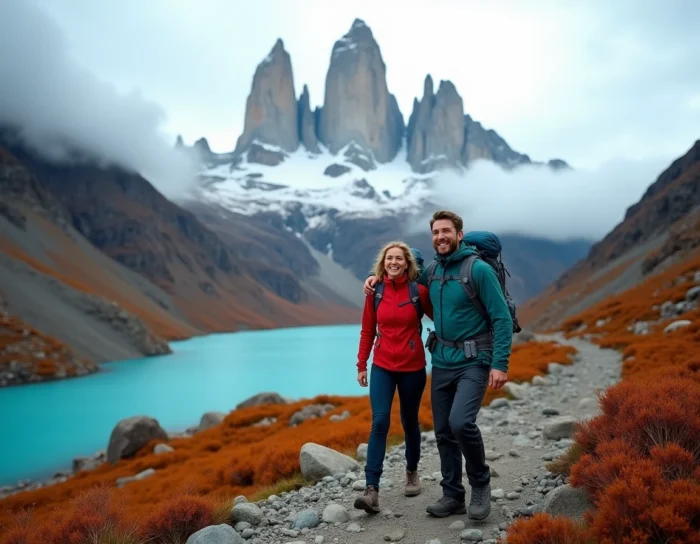
Torres del Paine National Park has established a mandatory reservation system for each campsite on the W and O circuits. Without a validated reservation, entry to the trails is denied. This measure, often overlooked in mainstream guides, requires planning several months in advance.
The winds of the Patagonian steppe regularly exceed the gusts forecasted by standard predictions. We recommend tested equipment for sustained wind conditions and a confirmed hiking level for the eastern side of the massif.
3. Peru, Salkantay Trek to Machu Picchu
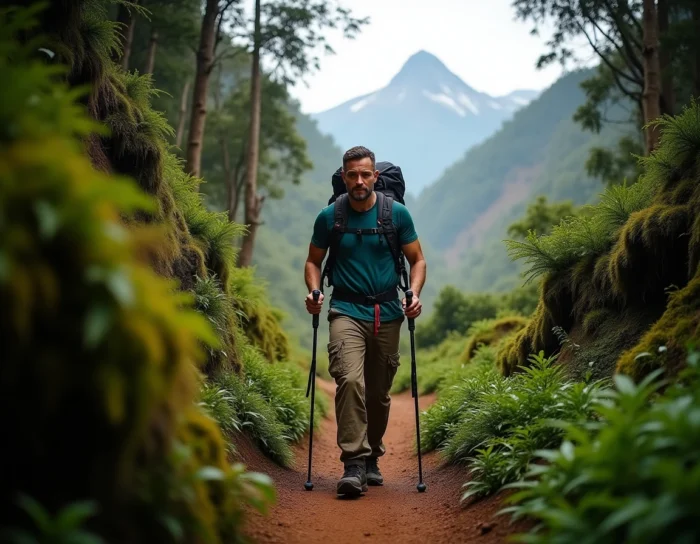
Peru remains one of the most regulated adventure destinations in terms of safety. Official guidelines detail the risks of high altitude, unpredictable weather, and areas to avoid such as the VRAEM valley. The Salkantay trek, a less saturated alternative to the Inca Trail, peaks at over 4,600 meters.
Prior acclimatization in Cusco for a minimum of two days is not a comfort recommendation, it is a medical necessity. Certified local agencies provide pulse oximeters and evacuation protocols, a selection criterion to check before any booking.
4. Namibia, Namib Desert and Skeleton Coast

Namibia combines wildlife and desert landscapes without the tourist density of neighboring Southern Africa. The country invests in a model of community conservancies where tourism revenues directly fund wildlife protection.
The Skeleton Coast requires self-sufficient logistics: no gas stations, no network, deep sand tracks. This segment is aimed at equipped and experienced off-road travelers. Wildlife tourism is progressing strongly here, with a focus on observation rather than athletic performance.
5. Georgia, Greater Caucasus
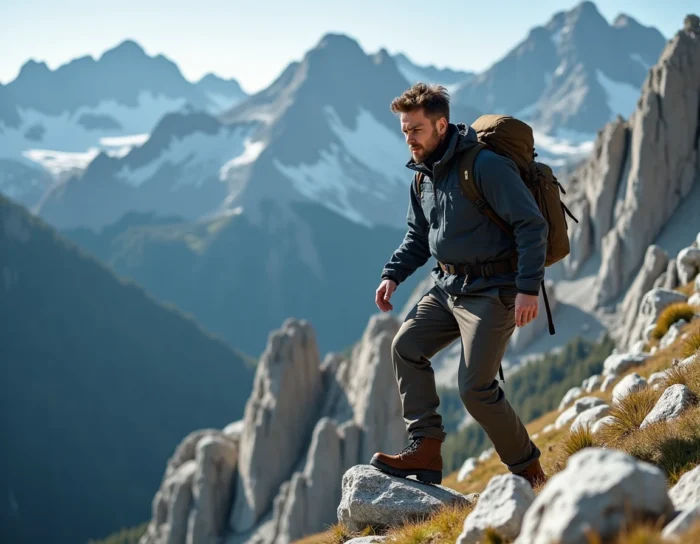
Svaneti and the Tusheti Valley offer high mountain treks at a fraction of the cost of the Alps or the Himalayas. The lack of strict tourism regulation is both an asset and a risk. The trails are not always marked, the shelters remain basic, and mountain rescue can take a long time.
For an autonomous traveler with good topographic map reading skills, the Georgian Caucasus represents one of the last European massifs where adventure is not scripted.
6. Mexico, Baja California and Sierra Norte de Oaxaca
Mexico is subject to specific official warnings for adventure activities: hiking, diving, paragliding, and active volcanic areas. We focus our recommendation on two regions where the adventure/risk ratio remains favorable.
- Baja California: gray whale watching, sea kayaking in the Sea of Cortez, diving with sea lions. Reliable tourist infrastructure.
- Sierra Norte de Oaxaca: network of community-managed trails by Zapotec villages, certified ecotourism accommodation.
- Season to avoid: June to November on the Pacific coast (hurricane season), which many guides overlook.
7. Norway, Lofoten Islands and Svalbard
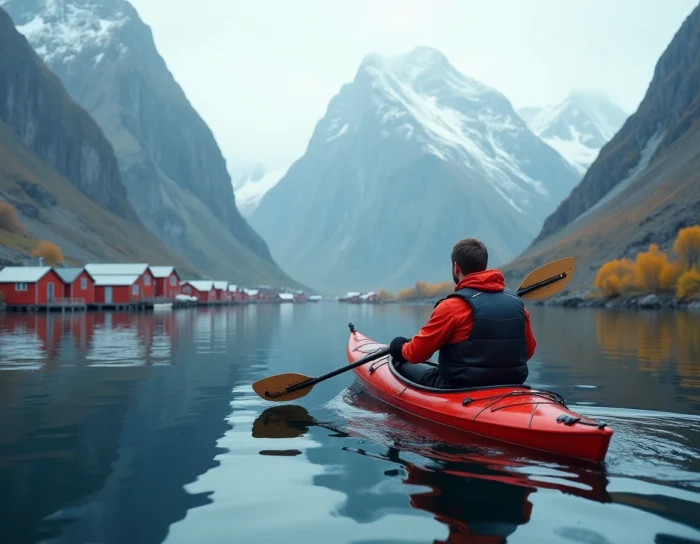
The Lofoten Islands concentrate hiking, Arctic surfing, and sea kayaking in a limited area. The archipelago is experiencing increasing tourist pressure, and Norway is tightening its regulations on wild camping in certain sensitive areas.
Svalbard, accessible only via Longyearbyen, requires an armed guide outside the city (presence of polar bears). Any outing outside the urban perimeter requires a safety protocol validated by the governor of Svalbard.
8. Oman, Jebel Akhdar and Wahiba Desert
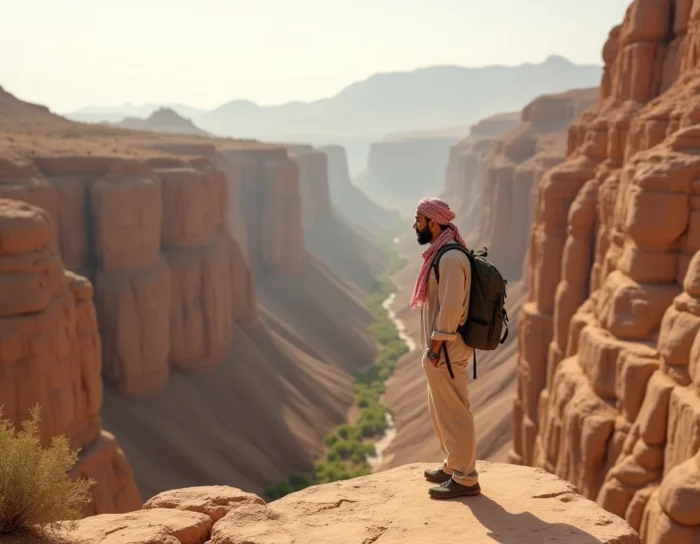
Oman remains under the radar of major adventure tourism flows. Jebel Akhdar offers via ferrata and canyon hikes with rapidly developing local guidance. The Wahiba Desert allows for guided camping away from the resort format.
The country’s political stability and the absence of major consular alerts make it a credible alternative to more media-covered destinations in the Middle East.
9. Slovenia, Julian Alps and Soča Valley
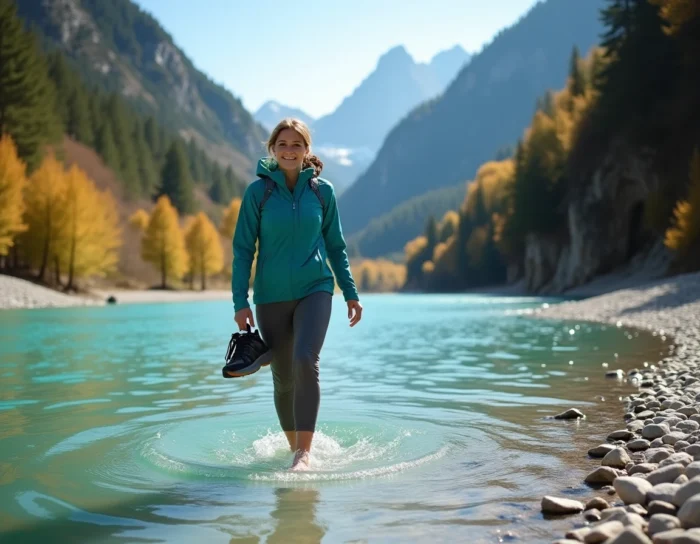
Slovenia has received national green destination certification, with strict oversight of whitewater and mountain activities. The Soča Valley concentrates canyoning, kayaking, and paragliding in a preserved natural corridor.
The activity density per square kilometer is among the highest in Europe, allowing for short and technical stays without long transfers.
10. Scotland, Highlands and Flow Country
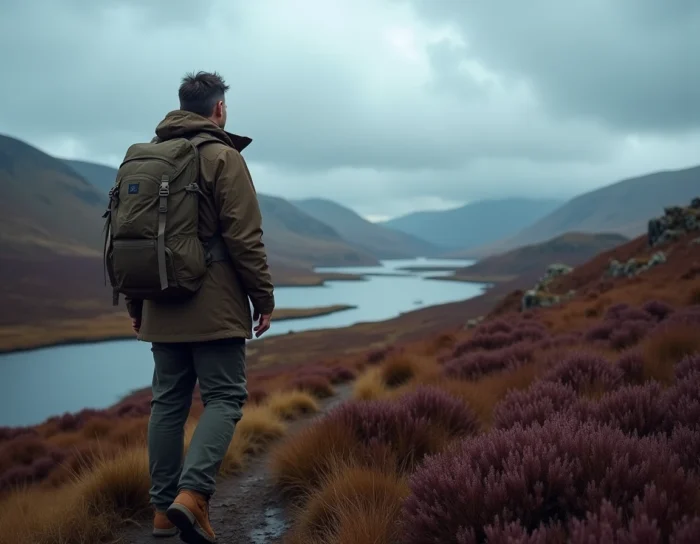
The Flow Country, a vast area of peat bogs in northern Scotland, attracts a new generation of nature-oriented and observation-focused travelers. This territory, a candidate for UNESCO World Heritage status, offers a model of slow adventure: walking in wet environments, birdwatching, minimalist camping.
The classic Highlands (Isle of Skye, Glen Coe) remain relevant for hiking and scrambling, but summer overcrowding is pushing local operators to direct towards the shoulder seasons. The European regulations governing claims of sustainable tourism enhance the credibility of Scottish labels for travelers concerned about verifying what they are actually funding.